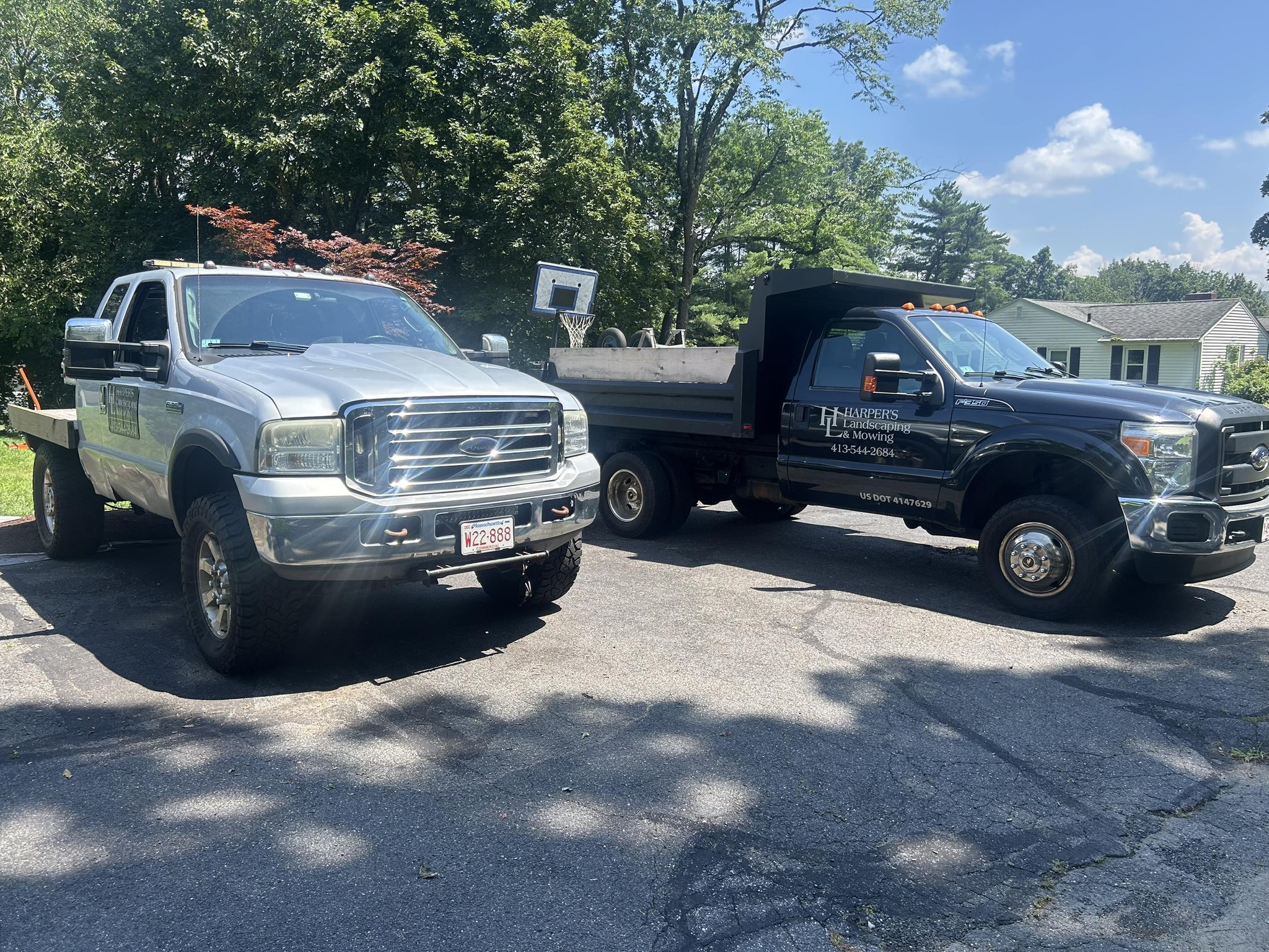
Creating a Wildlife-Friendly Garden: Tips for a Biodiverse Landscape with Harper's Jun 12, 2026
To begin, understanding the fundamental needs of wildlife is essential. Animals require food, water, shelter, and a safe habitat to thrive. Start by incorporating native plants into your garden. Native species are adapted to the local climate and soil conditions, making them a vital source of food and shelter for local wildlife. Insects, birds, and other animals rely heavily on these plants for survival. Research which native plants are best suited for your area and consider adding a variety to cater to different species' needs.
Another crucial component is setting up water features. A small pond, birdbath, or even a shallow dish filled with water can attract a range of wildlife. These water sources provide hydration areas and serve as bathing spots for birds. Ensure the water feature is situated in a place that is safe from predators and regularly refresh the water to prevent stagnation.
Creating shelter is another important step. Trees, shrubs, and hedges furnish excellent natural habitats. If your garden is limited in space, nesting boxes for birds and bat houses can be perfect alternatives. Additionally, rock piles or log stacks make wonderful havens for reptiles and amphibians and can be seamlessly integrated into the landscape design.
Avoid using chemical pesticides and fertilizers, as these substances can be harmful to wildlife. Instead, opt for organic gardening solutions. Companion planting, for example, utilizes natural plant relationships to ward off pests and enhance growth. This method not only protects wildlife but also enriches the health of your garden.
Moreover, let parts of your garden grow wild. This might seem counterproductive to some gardeners, but untamed patches provide cover and food sources for many species. Leave leaf litter and dead wood where they fall or create deliberate meadow areas out of grassy spaces. These microhabitats are invaluable for insects, which in turn provide food for birds and mammals.
Creating corridors through your landscape can further bolster its appeal to wildlife. These are simple connections that allow animals to move safely across larger distances, linking different environments. A strategically placed hedge or series of shrubs can serve this purpose, guiding wildlife from one part of your property to another or even linking up with similar habitats beyond it.
Finally, consider joining or forming local networks with like-minded gardeners. These connections can be excellent sources of knowledge and support in creating and maintaining a biodiversity-friendly landscape. Sharing your experiences with others can inspire more community members to engage in wildlife-friendly gardening, further enhancing local ecosystems.
In conclusion, establishing a wildlife-friendly garden is an admirable project that benefits both the environment and your personal sense of tranquility. By incorporating these thoughtful practices from Harper's Landscaping & Mowing, you not only foster a biodiverse ecosystem but also contribute to the conservation of local wildlife. Begin your journey today, and watch your garden come alive with a beautiful array of flora and fauna.
/filters:no_upscale()/filters:format(webp)/media/36b9ad03-8e2f-480e-81d9-c7218329298e.jpeg)