The Essentials of Eco-Friendly Hardscaping: Advice from Harper's Jun 23, 2026
Eco-friendly hardscaping focuses on using methods and materials that minimize environmental impact while maximizing the beauty and functionality of your outdoor area. One of the first steps in creating a sustainable hardscape is selecting materials that are locally sourced and recyclable. Consider using reclaimed wood, natural stone, or recycled concrete pavers, which not only reduce your carbon footprint but also add unique character to your design.
Another essential aspect is water management. Traditional hardscaping often leads to increased water runoff, which can cause erosion and carry pollutants into local waterways. To combat this, permeable pavers are a fantastic eco-friendly option. These pavers allow water to seep through, promoting groundwater recharge and reducing runoff. Incorporating a rain garden or installing a rainwater harvesting system can further enhance your property's sustainability by capturing and utilizing rainwater for irrigation.
Energy efficiency is another critical consideration. Incorporating solar-powered outdoor lighting can dramatically reduce energy consumption. These lights can be strategically placed to illuminate pathways, highlight features, and create ambiance without relying on the grid. Additionally, using light-colored materials on surfaces can help reduce heat absorption, creating a cooler environment during hot weather.
Native plants play a pivotal role in eco-friendly hardscaping. By choosing plants that are indigenous to your region, you not only support local biodiversity but also reduce the need for excessive watering and chemical fertilizers. Native plants are typically more resilient and require less maintenance, making them an excellent choice for any sustainable landscape.
Furthermore, consider the long-term impact of your hardscaping choices. Durable materials may have a higher initial cost but can offer greater longevity, reducing the need for frequent replacements and minimizing waste. When planning your hardscape design, think about how each element contributes to the overall sustainability of your property.
Installation techniques also play a crucial role. Opt for dry construction methods, such as using sand instead of mortar for holding stones in place. This not only makes it easier to replace or repair parts of your hardscape as needed but also allows for better drainage.
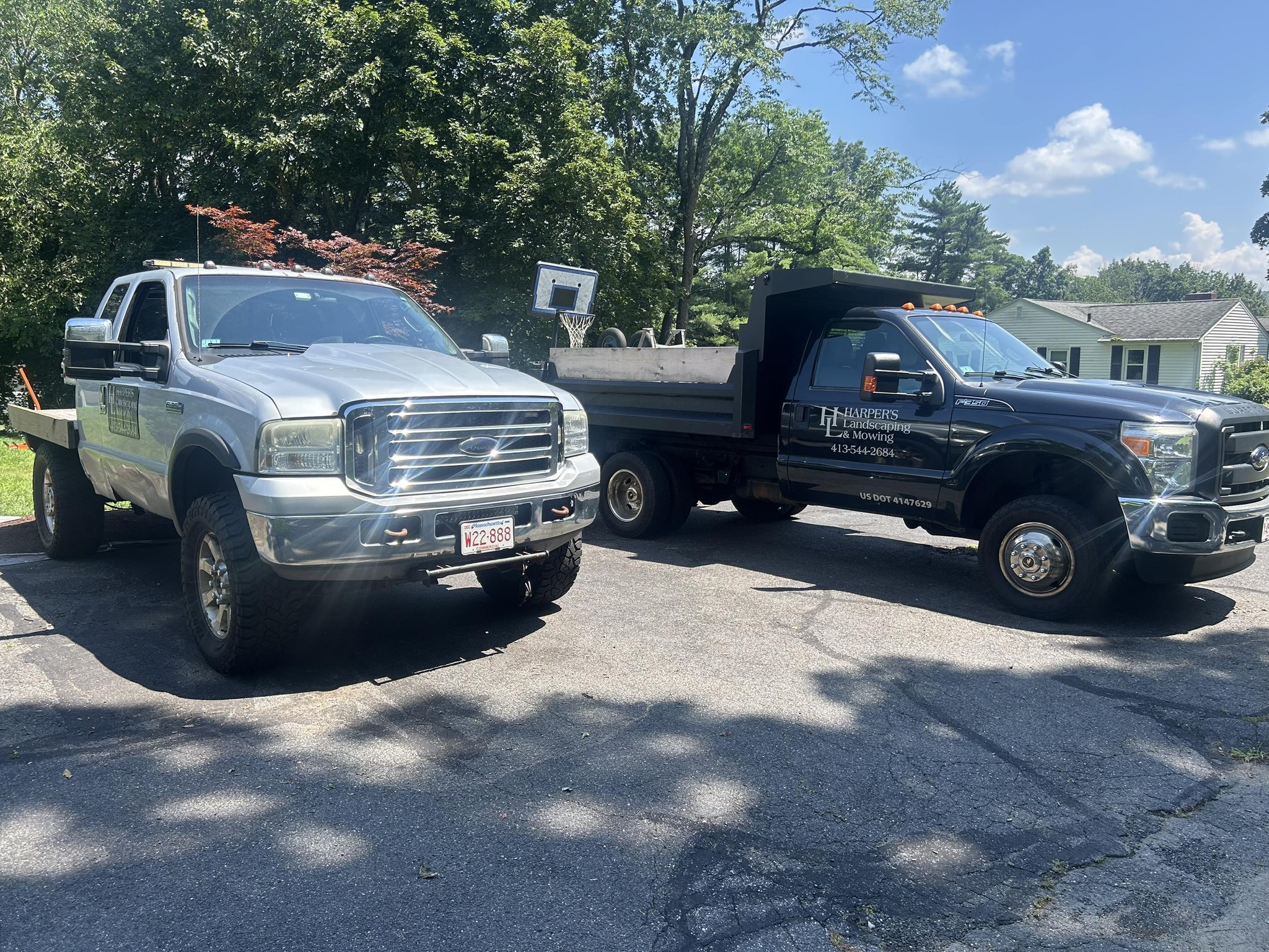
In conclusion, eco-friendly hardscaping is an investment in the future of your home and the planet. It requires careful selection of sustainable materials, thoughtful design for water and energy efficiency, and strategic planting that supports the local ecosystem. Harper’s Landscaping & Mowing is committed to helping you achieve a hardscape that not only enhances your outdoor space but also reflects a commitment to sustainability.
Choosing eco-friendly hardscaping solutions not only benefits the environment but also adds long-term value and enjoyment to your home. Reach out to professionals at Harper's Landscaping & Mowing to get started on transforming your outdoor space into a sustainable haven that you, your family, and future generations will enjoy.
/filters:no_upscale()/filters:format(webp)/media/36b9ad03-8e2f-480e-81d9-c7218329298e.jpeg)