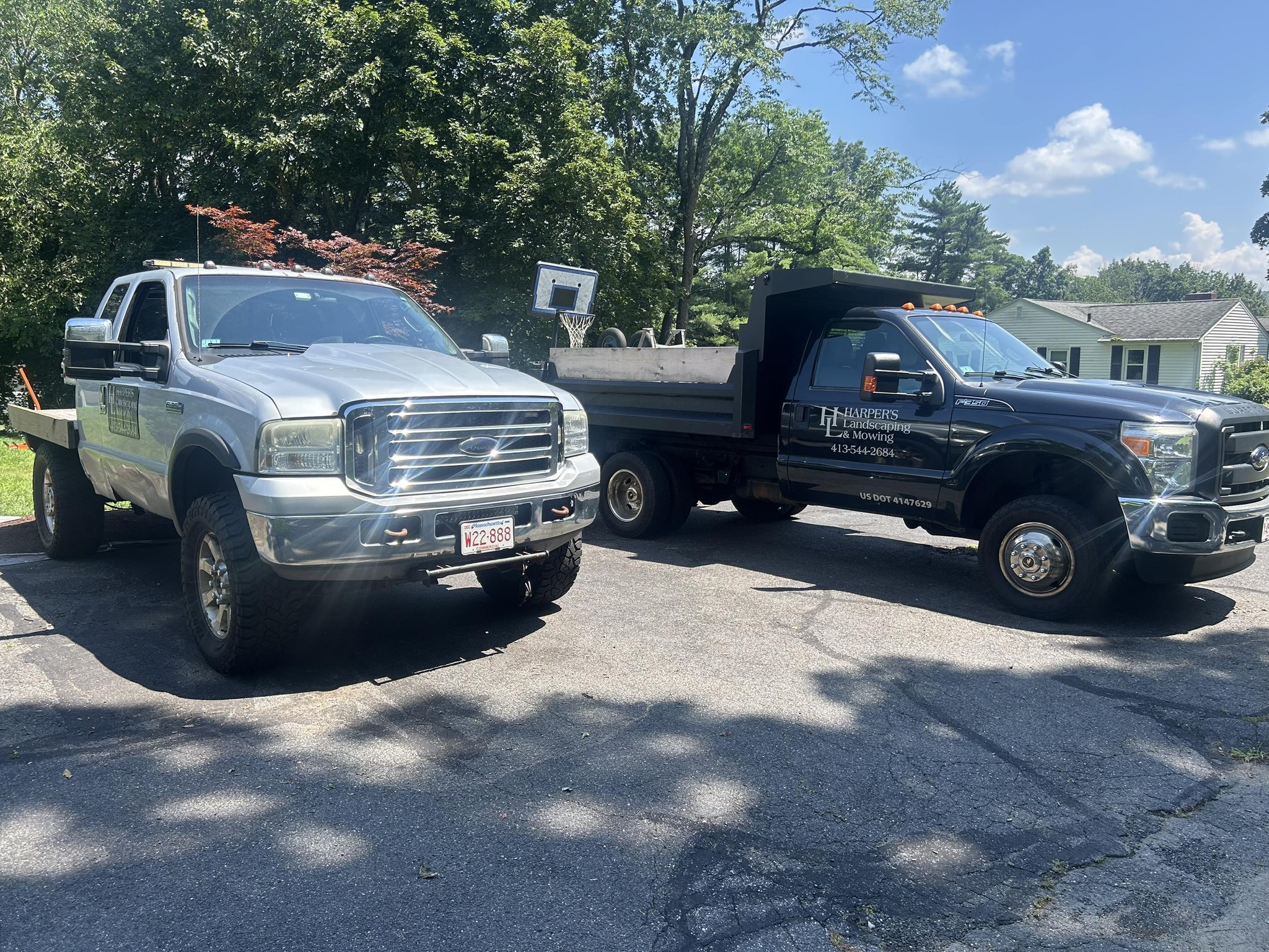
The Ultimate Guide to Lawn Maintenance: Insights from Harper's Landscaping Experts Apr 28, 2026
The first step in effective lawn maintenance is proper mowing techniques. Grass should be cut to the ideal height, typically leaving it about two to three inches tall, which promotes vigorous growth and a robust root system. Mowing too short can stress the grass, making it more susceptible to weeds and diseases. Additionally, mowing in alternate patterns each time prevents soil compaction and encourages even growth.
Watering plays a crucial role in lawn health. Optimal watering should be deep and infrequent, allowing the roots to grow downwards into the soil. Early morning is the best time to water your lawn, as it minimizes evaporation while ensuring that your lawn dries adequately before dusk, reducing the risk of fungal infections. An inch of water per week, including rainfall, is typically sufficient to keep your grass hydrated.
Fertilization is the next important step. A well-fed lawn is a happy lawn, and using a high-quality, balanced fertilizer can make a significant difference. Consider applying fertilizer in early spring and late fall when the grass is actively growing. This helps to build up nutrient reserves and fortify the grass against the environmental stresses of summer and winter. Remember, always follow the package instructions to avoid over-fertilization, which can harm your lawn and the environment.
Aeration is often overlooked but essential for lawn health. Over time, soil can become compacted, restricting air, water, and nutrients from reaching the roots. Aerating your lawn, typically done in the fall, involves perforating the soil with small holes to allow for proper circulation. This not only alleviates compaction but also promotes the decomposition of thatch, enhancing the soil structure for better growth.
Weed and pest control are also critical components of effective lawn maintenance. Regular inspection and treatment can prevent unwanted weeds and pests from taking hold. Use pre-emergent weed control in early spring to halt weed seeds from germinating and spot-treat stubborn weeds as necessary. Incorporate integrated pest management practices designed to keep pests at bay without harming beneficial insects.
Lastly, regular lawn maintenance involves seasonal clean-up. Remove leaves and debris regularly, especially in the fall, to prevent smothering your lawn and creating ideal conditions for pests and diseases. Clean-up not only improves appearance but also enhances health by improving air circulation around grass plants.
In conclusion, a little attention to detail can go a long way in lawn maintenance. With these expert insights from Harper's Landscaping & Mowing, you're equipped to foster a lawn that is not only beautiful but also healthy and sustainable. Investing in regular care and attention not only reaps rewards in aesthetics but also adds value to your property. Whether you're tackling these tasks yourself or enlisting professional help, a plan tailored to your lawn’s specific needs will ensure your landscape thrives throughout the year.
/filters:no_upscale()/filters:format(webp)/media/36b9ad03-8e2f-480e-81d9-c7218329298e.jpeg)